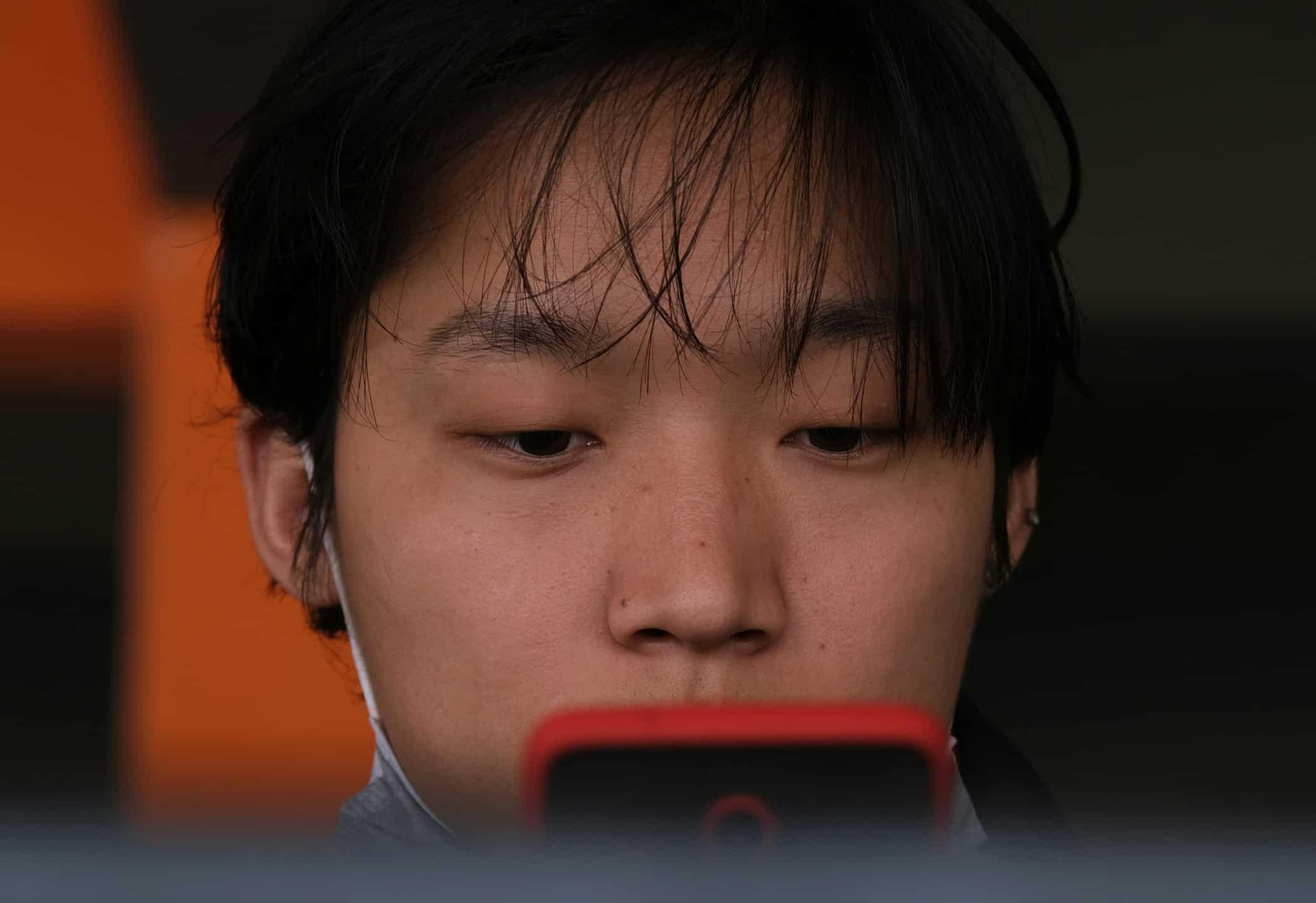
Social media is being increasingly used by young people for a variety of reasons. When we read of teens logging off and deleting social media accounts, it is important to remember that these cases are relatively rare and that for each young person deleting social media from their lives, there are often two or three more who enter the social media world.
Each gender uses social media in different ways, for girls social media is often about validation and (in some cases) about maintaining credibility. For boys, social media has different uses and for many, it is focused on gaming and communicating with friends. The LBGTQ+ community fit somewhere within either or both of these uses of social media (Luo & Hancock, 2020).
Social relationships are often more central to girls’ mental and physical well-being, and their use of various electronic media may be closely tied to their psychological health. Often social media is more heavily used as girls are reaching the adolescent developmental stage where hormones and cognitive maturity collide (Twenge & Marton, 2020). Social media may cause social comparison, a process that may be especially impactful among girls experiencing greater body image dysphoria. This may be exacerbated by social media images of a body type, self-image or social status that is unreachable (Twenge & Marton, 2020).
There is a much more dangerous trend of social media use that has emerged and is growing rapidly amongst users today. Revenge posting has put many young people at risk mentally and physically as they attempt to navigate a world that they are not yet cognitively mature enough to understand. A lot of young people on social media do not know who the other person is at the other end of the conversation, and often too afraid or ashamed to tell anyone what is happening, they will attempt to solve situations themselves, leading to more anxiety and depression. (Luo & Hancock, 2020).
Education on social media use is of the utmost importance and one that parents need to pursue if they suspect their young people are having trouble with it. In fact, they should not wait until it is a problem the obstacles to wellbeing. need to be removed.
“There is a parable that tells the tale of two people walking by a river when they notice babies floating down the river. One starts grabbing the babies out of the river, while the other runs upstream. The first asks, "Where are you going?! We have to save these babies," and the other replies, "I'm going to see who's throwing babies in the river."July 09, 2020 Libby Willkomm”
Saving the babies that are already in the river is a response to a problem and stopping the babies from being thrown into the river is a preventative method to save the babies and the rescuers.
Do you or someone you know need advice on social media use? Can you save the babies? Can you act early and put a plan in place to prevent or limit the problem?
References:
Luo, M., & Hancock, J. T. (2020). Self-disclosure and social media: motivations, mechanisms and psychological well-being. Current Opinion in Psychology, 31(February).
Twenge, J. M., & Marton, G. M. (2020, January 20). Gender differences in associations between digital media use and psychological well-being: Evidence from three large datasets. PubMed. https://pubmed.ncbi.nlm.nih.gov/31926450/